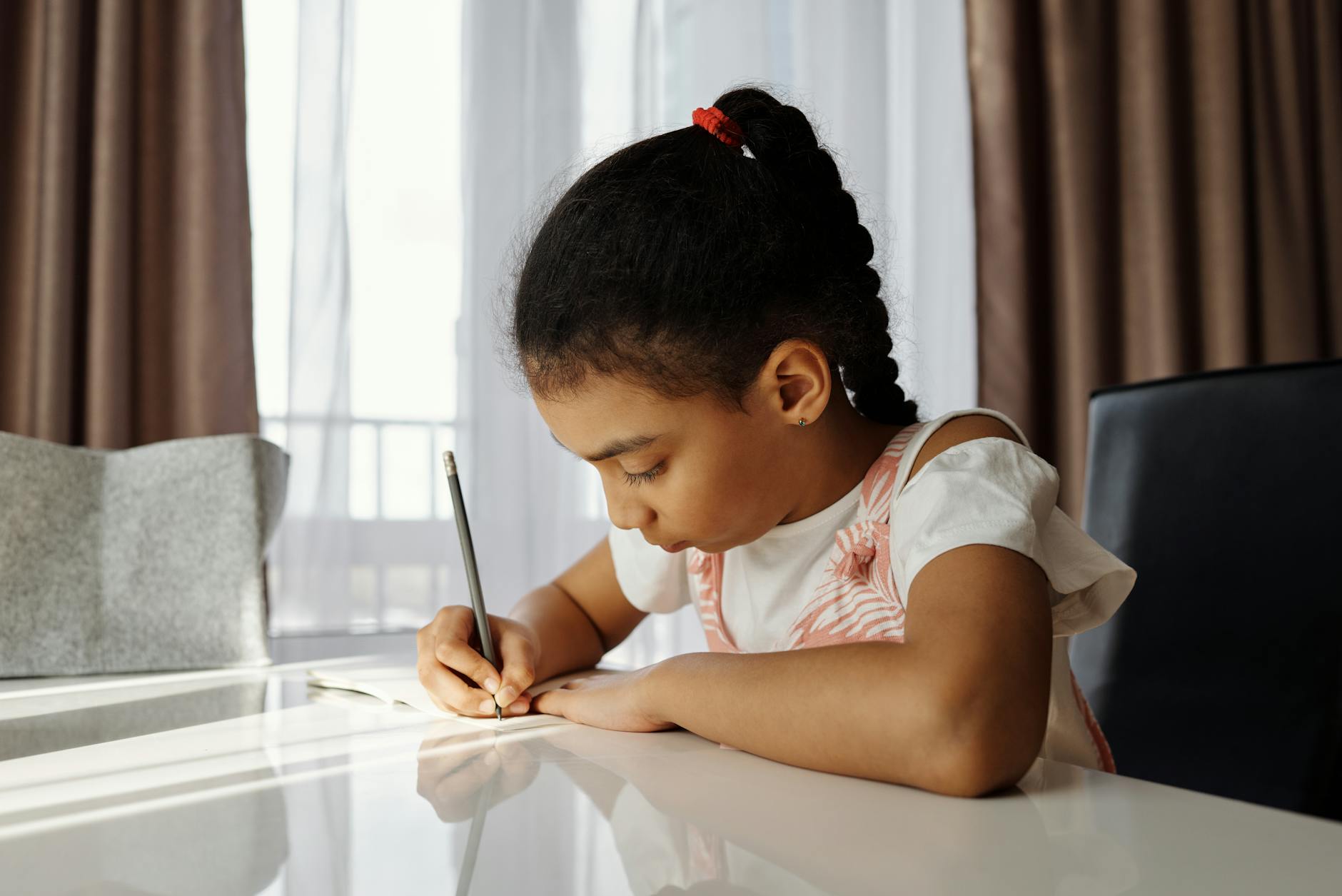
How to Incorporate Artistic Activities into School Curriculums in the United States

Benefit of Art in Education
Enhancing Student Creativity
When we think about art education, it’s not just about splashes of paint or sculpting clay; it's about fostering creative thinking. Picture this: your students, inspired by the masterpieces at the Art Institute of Chicago, start to craft their own interpretations of famous artworks. These types of activities can spark the imagination, driving students to explore new concepts and ideas. Incorporating novel approaches, like "Pilsen-inspired mural" projects, can ignite a passion for art that students might not discover otherwise. When their creativity is stimulated, students grow more confident, and that’s a life skill they'll carry well beyond the classroom.
Improving Academic Performance
Studies have shown that exposure to art education correlates with improved academic performance. Engaging in art activities enhances skills such as problem-solving and critical thinking, which can translate into other subjects like mathematics and science. Remember that art is not just a standalone subject; it can be a bridge to understanding complex concepts, making learning both interactive and enjoyable.
Supporting Emotional Well-being
Art is a powerful tool for emotional expression. In a world where students often face emotional pressures, art provides an avenue to express feelings that might be difficult to convey through words. Offering sessions inspired by couples cooking classes NYC for collaborative art activities in class can provide a fun, non-judgmental space for students to explore their emotions and connect with their peers.
Encouraging artistic activities among students supports their creativity, academic growth, and emotional resilience—basic tools they can use to navigate their world.
Integrating Artistic Activities
Cross-Disciplinary Projects
I find that cross-disciplinary projects serve as an incredible opportunity for students to see how art intersects with various subjects. When I introduced a mural project inspired by the vibrant murals of Pilsen, students were able to blend history, math, and art to create something truly remarkable. These projects not only utilise skills learned from different disciplines but also encourage students to apply them creatively.
Collaborative Art Workshops
Collaborative workshops can be another exciting avenue for interaction and learning. Engaging in activities like paint and sip Chicago brings a unique blend of fun and teamwork, similar to what one might experience in professional team building activities NYC. These settings encourage students to communicate and share their perspectives, enriching both their social skills and artistic endeavors.
Digital Art and Multimedia
With technology integrated into every aspect of our lives, digital art is a field that offers endless possibilities for creative expression. Students who enjoy video editing, animation, or digital drawing can use various platforms to create multimedia projects. A simple practical art class tip: incorporate a segment where students can visit the Art Institute of Chicago, explore digital exhibits, and then develop a multimedia project. This provides a well-rounded view of both traditional and modern art forms, offering a pathway for students to express their creativity while developing new skills.
Planning Effective Art Lessons
Fostering Inclusivity and Expression
As an educator in the art world, one of my top priorities is to create a classroom atmosphere where every student feels empowered to express themselves. We can draw inspiration from the vibrant murals of Pilsen, finding ways to incorporate diverse cultural art styles into our lessons. This kind of inclusivity allows students to see their reflections in the artwork, encouraging them to bring their authentic selves to the table. Establish open-ended projects that cater to multiple skill levels, ensuring everyone can contribute and shine in their unique way.
Selecting Engaging Themes
Choosing compelling themes is crucial in grabbing students' interest. Focus on relatable topics like community, identity, or current events, as these can provoke meaningful discussions and inspire genuine artistic exploration. Drawing on experiences such as attending paint and sip San Francisco events could provide insight into integrating real-world themes with classroom activities. This approach encourages students to connect their art projects to broader societal constructs, making art more relevant and impactful for them.
Incorporating Student Interests
A successful art lesson is based on tapping into what students are genuinely curious about. Encourage students to share their interests, whether they're passionate about pop culture, technology, or something else. This practice is similar to curating a personal exhibition in cooking classes San Francisco, where participants' tastes guide the learning experience. By incorporating students’ interests into the curriculum, we not only maintain their enthusiasm but also develop their skills in channels they naturally gravitate towards. Remember, fostering a personal connection with art makes students eager participants in their learning journey.
Overcoming Common Challenges
Limited Resources and Budget
Art education often struggles with budget limitations, but creativity thrives on constraint. If resources are tight, consider sourcing materials from community donations or recycling projects. For example, hosting events like pottery classes Chicago can encourage community participation and resource sharing, providing students with hands-on experience in a cost-effective way. Parents and local artists can be great allies, donating supplies or sponsoring workshops.
Time Constraints
Time management is crucial in a bustling school setting. To incorporate art without overwhelming schedules, integrate short art activities into existing lessons. You might replace traditional assessments with creative projects, allowing artistic expression without adding to the curriculum load. Encourage students to brainstorm art ideas that require minimal setup but promote team building—virtual team building activities are perfect here, as they can fit into shorter time frames and are accessible.
Aligning with Standards
Art education must align with educational standards while fostering creativity. This requires demonstrating how art activities meet core curriculum goals. For instance, linking visual arts to subjects like history or science can provide a dual learning experience. Collaborative projects, perhaps inspired by the vibrant murals of Pilsen, allow students to explore artistic themes while covering required content.
Through practical approaches, art educators can enrich their students’ learning experiences without straining resources or time. Embrace the challenge creatively to make art accessible and impactful within any curriculum setting.
Best Practices
Cultivating Community Connections
Drawing connections between schools and local art institutions can turn an ordinary art class into something extraordinary. Consider Lincoln Park's art galleries as a part of your field trip wishlist. These real-world art experiences broaden students' perspectives far beyond what classroom walls offer. Just as cooking classes NYC offer hands-on culinary learning, engaging with local artists—like those who create the vibrant murals of Pilsen—brings unique, in-depth experiences into the classroom. This kind of collaboration inspires both students and teachers to venture creatively in ways they never imagined.
Leveraging Local Resources
Sometimes, the best resources are right around the corner, waiting to be discovered. Local venues, including the Art Institute of Chicago, offer workshops and programs that can enrich classroom learning. Hosting school exhibits in neighborhood centers or participating in community projects can foster pride and establish strong ties between students and their communities. Even the act of setting up a booth at a local art fair can provide students with valuable lessons in collaboration and public engagement.
Promoting Leadership Through Art
Let's empower students to take the lead by supporting student-led art projects. Given the freedom to explore their interests, students develop valuable leadership and organisational skills. Whether it’s setting up a mural project or initiating an art installation on campus, the experience encourages initiative. By giving them the reins, educators can facilitate projects that deeply resonate with students’ creative identities and foster a sense of ownership and accomplishment.
The art journey anyone embarks on enriches every aspect of learning, extending well beyond traditional boundaries.